
From Kitchen to Culture: How Homestays Can Showcase Authentic Local Flavors
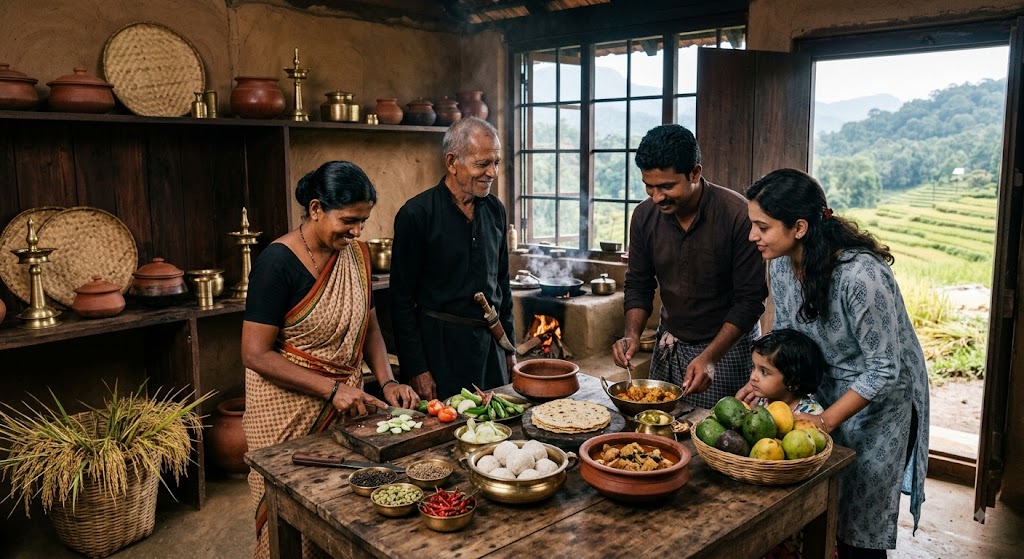
Homestays offer travelers more than comfortable accommodation; they provide an opportunity to experience the food traditions that make each destination unique. Local cuisine can become an important part of the guest experience by introducing visitors to traditional ingredients, cooking methods, and family recipes. Unlike standardized hotel menus, homestays can offer authentic meals that reflect the history, geography, and cultural identity of the surrounding community.
One effective way to promote local food culture is by serving regional dishes prepared with locally sourced ingredients. Homestay owners can work with nearby farmers, markets, and small food producers to obtain fresh vegetables, spices, grains, fruits, and other seasonal ingredients. Offering traditional breakfasts, homemade snacks, and regional specialties allows guests to discover flavors they may not encounter in conventional tourist establishments while also supporting local producers.
Homestays can further enhance the experience by involving guests in food-related activities. Cooking demonstrations, visits to local farms, spice gardens, or village markets can help travelers understand how ingredients are grown, harvested, and transformed into traditional dishes. Sharing the stories behind family recipes and explaining the cultural significance of particular foods can turn a meal into an educational and memorable experience.
Promoting local food culture through homestays can also contribute to sustainable tourism and cultural preservation. When visitors develop an appreciation for regional cuisine, they are more likely to support local restaurants, farmers, artisans, and food producers during their travels. By combining warm hospitality with authentic culinary experiences, homestays can preserve traditional food practices while creating meaningful connections between travelers and local communities.
