
Green Escapes: How Eco-Villages Are Transforming Sustainable Tourism
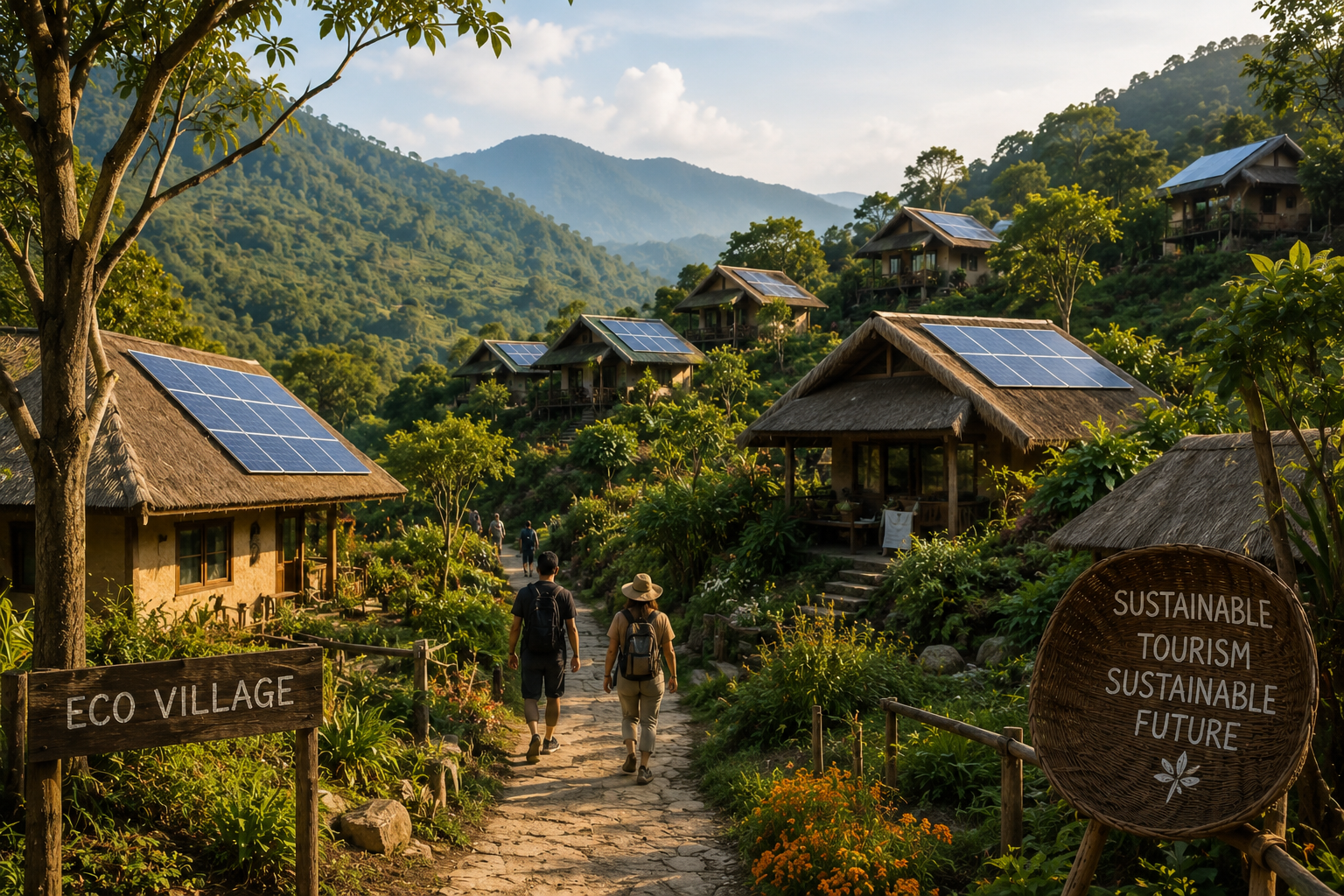
Eco-villages are becoming an increasingly popular part of sustainable tourism as travelers seek meaningful and environmentally responsible experiences. Unlike conventional tourist destinations, eco-villages focus on harmony with nature, community living, and sustainable practices. These villages often use renewable energy, organic farming, rainwater harvesting, and eco-friendly architecture to reduce environmental impact while offering visitors a peaceful and authentic way of life.
One of the main reasons behind the rise of eco-villages is the growing awareness of environmental conservation and responsible travel. Modern travelers are becoming more conscious of how tourism affects local ecosystems and communities. Eco-villages provide an alternative where visitors can participate in activities such as organic farming, nature walks, traditional craft workshops, and sustainable living programs. These experiences help travelers connect more deeply with nature and understand the importance of preserving local resources.
Eco-villages also play a significant role in supporting rural economies and cultural heritage. Many of these communities are located in remote or countryside regions where tourism creates employment opportunities for local residents. By promoting local food, handmade products, and traditional lifestyles, eco-villages encourage cultural preservation while generating sustainable income. This model of tourism benefits both visitors and host communities by creating a balanced relationship between development and environmental protection.
As sustainable tourism continues to evolve, eco-villages are likely to become even more influential in shaping the future of travel. Travelers today are looking beyond luxury and entertainment toward experiences that offer purpose, learning, and environmental responsibility. By combining sustainability with authentic cultural experiences, eco-villages are redefining tourism and inspiring a more conscious way of exploring the world.
