
Smart Comfort in Compact Corners: Enhancing Guest Experience in Small Homestay Spaces
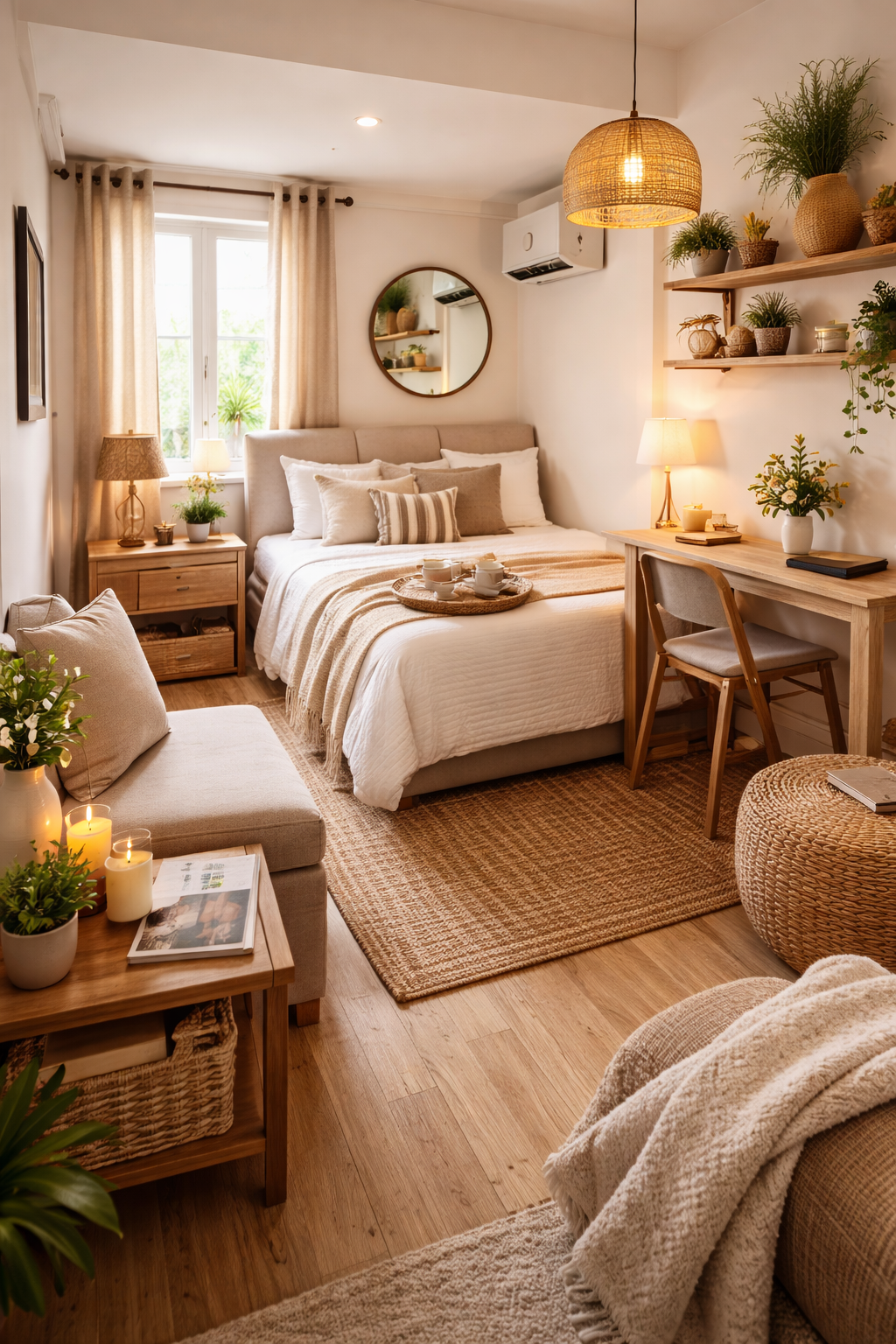
Designing small spaces for guest comfort in homestays requires thoughtful planning that balances practicality with warmth. Limited square footage does not have to mean limited hospitality; in fact, well-organized compact areas can feel welcoming and functional when designed with care. Hosts who focus on efficient layouts, purposeful furniture placement, and clutter-free environments can create a sense of openness that makes guests feel relaxed from the moment they arrive. The key lies in using space intelligently while maintaining a homelike atmosphere that reflects the spirit of the stay.
Furniture selection plays a crucial role in maximizing comfort in smaller rooms. Choosing multi-functional pieces such as foldable tables, storage beds, or compact seating options helps provide necessary amenities without overwhelming the space. Neutral color palettes and light tones can visually expand the room, while mirrors and strategic lighting enhance brightness and depth. These design choices contribute to a calm and airy environment where guests can unwind comfortably despite spatial limitations.
Attention to detail also strengthens the guest experience. Providing adequate storage solutions, neatly arranged essentials, and accessible charging points ensures convenience throughout the stay. Soft furnishings, breathable linens, and thoughtfully selected décor elements add personality without creating overcrowding. When guests sense that every aspect of the room has been curated with their comfort in mind, they are more likely to perceive the space as both functional and inviting.
Finally, comfort in small homestay spaces extends beyond physical arrangement to include emotional warmth and usability. Clear pathways, tidy surroundings, and personalized touches—such as welcome notes or locally inspired decorations—create a sense of belonging. By blending efficiency with hospitality, hosts can transform compact spaces into memorable environments that leave lasting impressions. Ultimately, good design is less about size and more about how effectively a space supports relaxation, convenience, and meaningful guest experiences.
